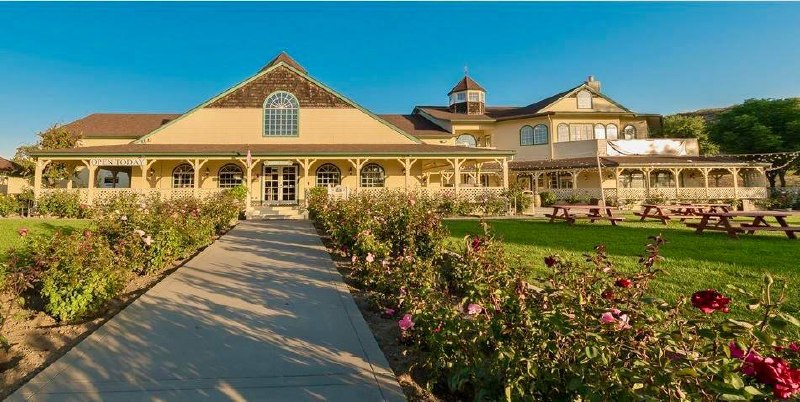
A Victorian Farmhouse, Vineyard Heritage, and the Famous Brie Bread
Some wineries are remembered for a particular bottle. Others become associated with a dish, a gathering place, or a building that seems to belong to another era. Maurice Car’rie Vineyard & Winery brings these elements together beneath the rolling hills of Temecula Valley, where an old-fashioned Victorian-style farmhouse, established vineyards, live music, and the aroma of freshly baked sourdough create a wine-country experience with a distinctly welcoming personality.
Located along Rancho California Road, Maurice Car’rie has been part of Temecula’s wine story since the 1980s. Today, the property operates as Ultimate Vineyards at Maurice Car’rie Winery, connecting the winery’s historic identity with a broader hospitality experience built around wine, food, and time spent together.
The atmosphere is less about ceremony than enjoyment. Guests can explore a varied wine selection, settle into the outdoor spaces, share a meal, or make an afternoon of the live entertainment. And for many visitors, one particular menu item has become almost as recognizable as the winery itself: baked Brie served in a sourdough bread loaf.
A Place Rooted in Temecula’s Early Wine History
The history of Maurice Car’rie reaches back to the early years of commercial wine growing in Temecula Valley.
The land was part of the historic Rancho Pauba, an area shaped by generations of agricultural activity. In 1968, vineyard pioneer Vincent Cilurzo planted grapes on the property, including Chenin Blanc vines that became part of the region’s early wine-growing landscape.
In 1986, Budd Van Roekel purchased the vineyard and established Maurice Car’rie Winery, helping develop one of the early operational wineries in the valley. The winery became part of the generation of producers that helped turn Temecula from a largely agricultural area into a recognized wine destination.
The property later changed ownership, with entrepreneur Janak Patel acquiring the winery in 2018. Its contemporary identity now incorporates the Ultimate Vineyards name, while Maurice Car’rie remains central to its history and public presence.
That continuity matters in a region where vineyards and wineries have continued to evolve. The Temecula Valley of today offers a wide range of wine styles and visitor experiences, but its character was shaped by the early growers who planted vines, experimented with varieties, and established the foundation for the industry that followed.
At Maurice Car’rie, the history is part of the setting rather than merely a date on a timeline.
A Victorian Farmhouse Among the Vines
The winery’s Victorian-style farmhouse gives the property much of its visual character. Surrounded by vineyards and rolling hills, the building creates a contrast with the modern architecture found at some newer wine-country destinations.
Its traditional appearance lends the estate a sense of familiarity, as though the property were designed for leisurely afternoons and long conversations. The farmhouse setting also reinforces the winery’s emphasis on hospitality: guests arrive not simply to taste wine, but to spend time in a place that feels welcoming and relaxed.
Outdoor porches and patio seating bring the surrounding landscape into the experience. The vineyards provide a natural backdrop, while the open-air spaces allow guests to enjoy the Southern California sunshine and changing light across the hills.
The atmosphere shifts with the day. A weekday tasting can offer time to concentrate on the wines, while weekends and scheduled performances bring more social energy to the property. The combination of indoor and outdoor spaces makes it possible to approach the winery in different ways, whether the occasion calls for a leisurely tasting, lunch with friends, or an afternoon accompanied by live music.
The Wines: A Broad Expression of California Wine Country
Maurice Car’rie offers a substantial portfolio that spans red and white wines, blends, and sparkling selections. The range includes varieties such as Cabernet Sauvignon, Cabernet Franc, Merlot, Syrah, Zinfandel, Sangiovese, Chardonnay, Sauvignon Blanc, Grenache, and Tempranillo.
This breadth gives visitors room to explore different styles during a single visit. Some may be drawn to structured reds with dark-fruit character and firm tannins; others may prefer the freshness of a white wine or the celebratory character of a sparkling pour.
Cabernet Sauvignon offers a familiar starting point for those who enjoy full-bodied reds, often bringing blackcurrant, dark cherry, and a structured finish. Merlot can provide a softer, rounder expression of red fruit, while Syrah may introduce darker berries, spice, and savory notes. Zinfandel offers another direction, with ripe fruit and spice often at the forefront.
The white wines provide a contrasting experience. Chardonnay can range from fresh and citrus-driven to richer and more textured, depending on how it is made. Sauvignon Blanc is often associated with bright acidity and lively citrus or herbal notes, making it a natural option for warm afternoons and lighter dishes.
Sparkling wines add another dimension, whether poured to mark a special occasion or simply to bring a little celebration to an ordinary day.
The winery’s portfolio evolves with releases and availability. Rather than assuming every variety will be poured on every visit, guests should use the current tasting menu as a guide to the wines available that day.
The Signature Experience: Brie in Sourdough
At Maurice Car’rie, the connection between wine and food has a particularly memorable centerpiece.
The winery is widely associated with its baked Brie served inside a sourdough bread loaf. The dish combines warm, melted cheese with a freshly baked crust, creating a shareable centerpiece that feels equally suited to a casual lunch or a gathering with friends.
The appeal is easy to understand. As the bread is opened, the soft cheese becomes part of the meal, while pieces of crust provide a natural accompaniment. It is comforting, generous food—less concerned with elaborate presentation than with the pleasure of sharing something delicious.
The pairing also invites exploration of the wines. A bright white can provide contrast to the richness of the cheese, while a fruit-forward red may offer a different balance of flavor and texture. Sparkling wine can bring freshness and lift to the combination.
The winery’s sourdough bread has become an important part of its identity, with fresh loaves and take-home options also available. The Ultimate Bistro menu extends beyond Brie to include boards, sandwiches, pizzas, pasta dishes, and other casual fare, making food a central part of the visit rather than an afterthought.
For guests planning to make lunch part of the experience, the current menu and service hours are worth checking before arrival.
A Bistro Made for Wine-Country Afternoons
The Ultimate Bistro brings a casual dining dimension to the winery. Rather than requiring visitors to leave the property for a meal, it offers a menu designed to complement the wines and make it easy to stay longer.
Boards of cheeses and charcuterie lend themselves to sharing, while sandwiches and heartier dishes provide options for a more substantial lunch. The menu changes over time, so the current offerings are the best guide for anyone with a particular dish in mind.
Wine and food naturally influence one another. Acidity can refresh the palate after a rich bite, tannins may seem softer alongside protein, and a wine’s fruit or spice character can become more apparent when paired with a particular dish.
The experience need not involve formal pairing rules. A glass selected because it tastes good with the food is often all that is needed. The enjoyment comes from noticing how the two work together—and from the conversation that tends to continue when the meal is shared.
Food service generally ends before the tasting room closes, so guests arriving later in the day should confirm the kitchen’s current schedule.
Music, Gatherings, and the Social Side of Wine
Live music is another part of Maurice Car’rie’s identity. The winery’s event calendar includes performances throughout the week and on weekends, bringing a changing soundtrack to the vineyard setting.
Music can transform the mood of a winery visit. A quiet tasting encourages attention to the aromas and flavors of each wine, while a live performance adds a communal quality to the experience. Guests may arrive intending to taste a few wines and find themselves staying for a set, a meal, and another round of conversation.
The winery also hosts special events and offers spaces for private celebrations, including weddings and other gatherings. Its farmhouse, vineyard surroundings, and outdoor seating provide a setting that feels informal yet distinctive.
For those planning a visit around a performance or celebration, the event schedule is important. Artists, start times, and special arrangements vary, and some occasions may draw larger crowds than a regular tasting day.
Maurice Car’rie also welcomes families and dogs under its posted visitor policies, adding to its appeal as a place for a relaxed outing. Guests bringing a larger group or arriving by party bus or limousine should contact the winery in advance to confirm arrangements.
An Estate with More Than One Story to Tell
Maurice Car’rie is both a winery with a long history and a contemporary gathering place. Its early vineyard origins connect it to Temecula Valley’s formative wine years, while its modern bistro, broad wine portfolio, live music, and event spaces reflect the way the region’s wineries have grown into destinations for food and leisure.
The two identities complement each other. The historical farmhouse provides a sense of continuity, the vineyards connect the property to agriculture, and the food and entertainment give guests reasons to return beyond a particular wine release.
For some visitors, the draw may be the chance to explore several grape varieties. For others, it may be the baked Brie, a live performance, or an afternoon spent on the patio with friends. The winery allows these interests to coexist, creating an experience that does not demand a single definition of what wine country should be.
That flexibility is part of its character. A visit can be as simple as sharing a glass and a loaf of warm sourdough, or it can become a longer outing built around tasting, dining, and entertainment.
The Bellie Acres Perspective
Maurice Car’rie Vineyard & Winery brings together a meaningful piece of Temecula’s early wine history and the pleasures of a modern wine-country gathering place. The Victorian farmhouse and vineyard setting provide a sense of continuity, while the bistro, live music, and signature baked Brie make the experience distinctly sociable. Here, wine is not reserved for formal occasions; it belongs at the table, in the conversation, and in the simple pleasure of sharing something good with others.