Wine tourism directory for adults 21+. Please drink responsibly and never drink and drive. Privacy · Contact
Temecula Valley vineyard estate

Guides · Seasonal · Harvest 2026

Harvest Season in Temecula Valley

When wine country comes alive

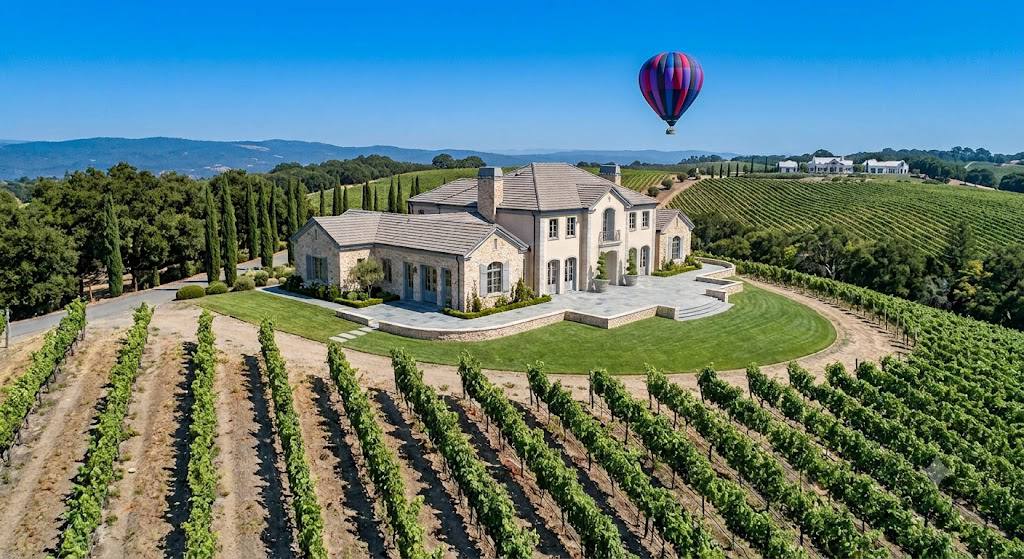
By late summer, tasting rooms stay busy and balloons still drift at sunrise — but behind the scenes, the real work of wine country reaches its climax. Harvest season has arrived.

Plan around harvest

Pair this guide with our free Wine Day Planner PDF, the winery directory, and the interactive map. Confirm events and hours on each estate’s official site — harvest schedules move with the fruit.

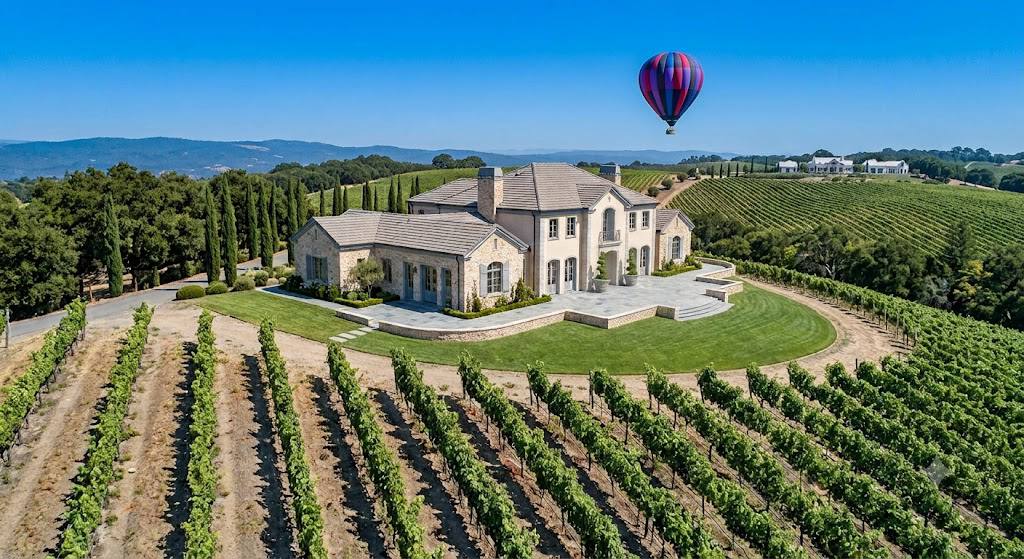
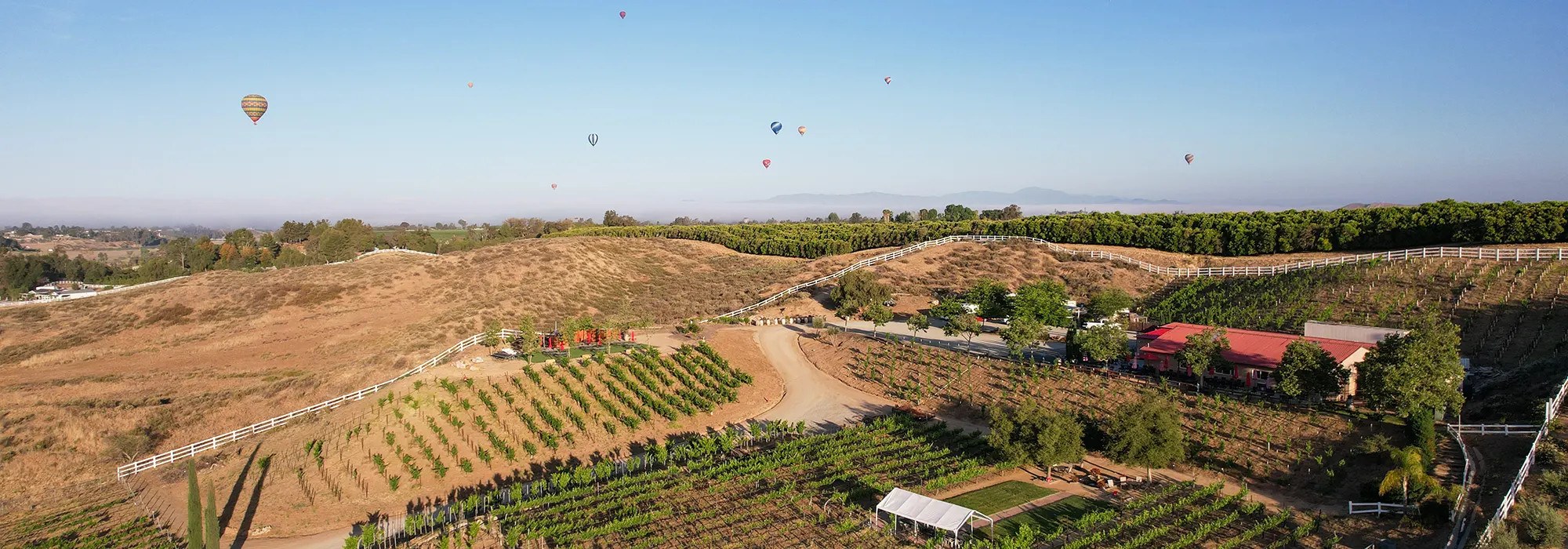
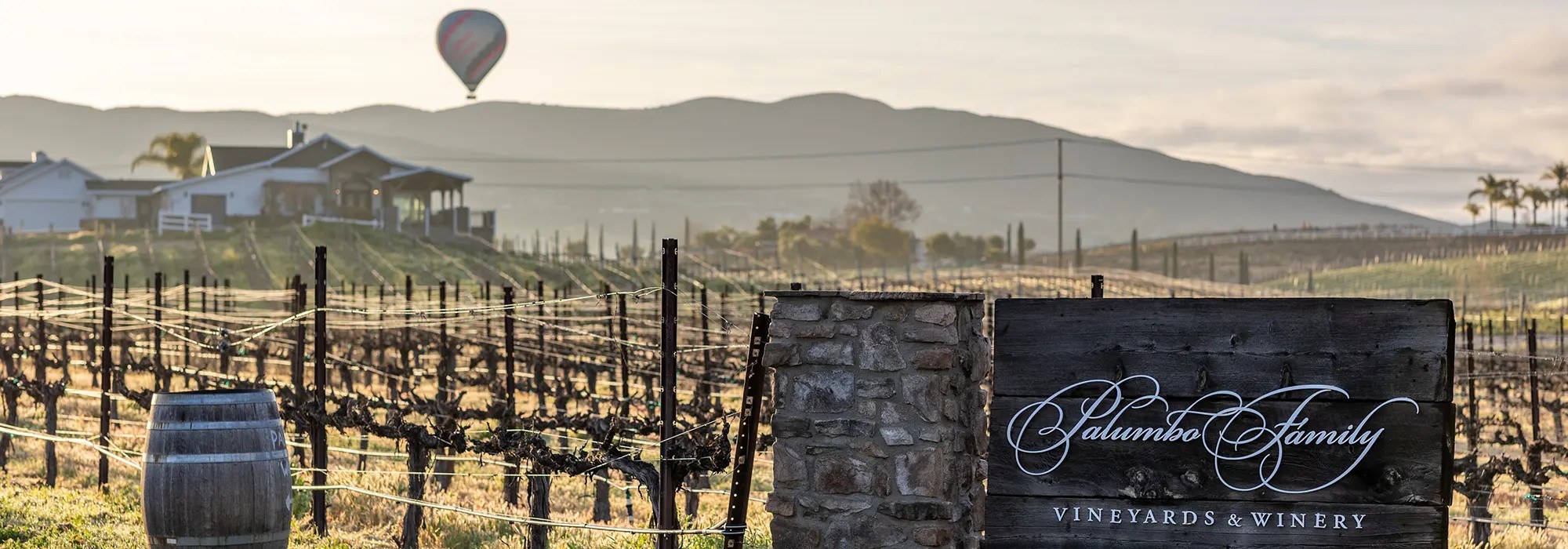
Hot air balloon over Temecula wine country

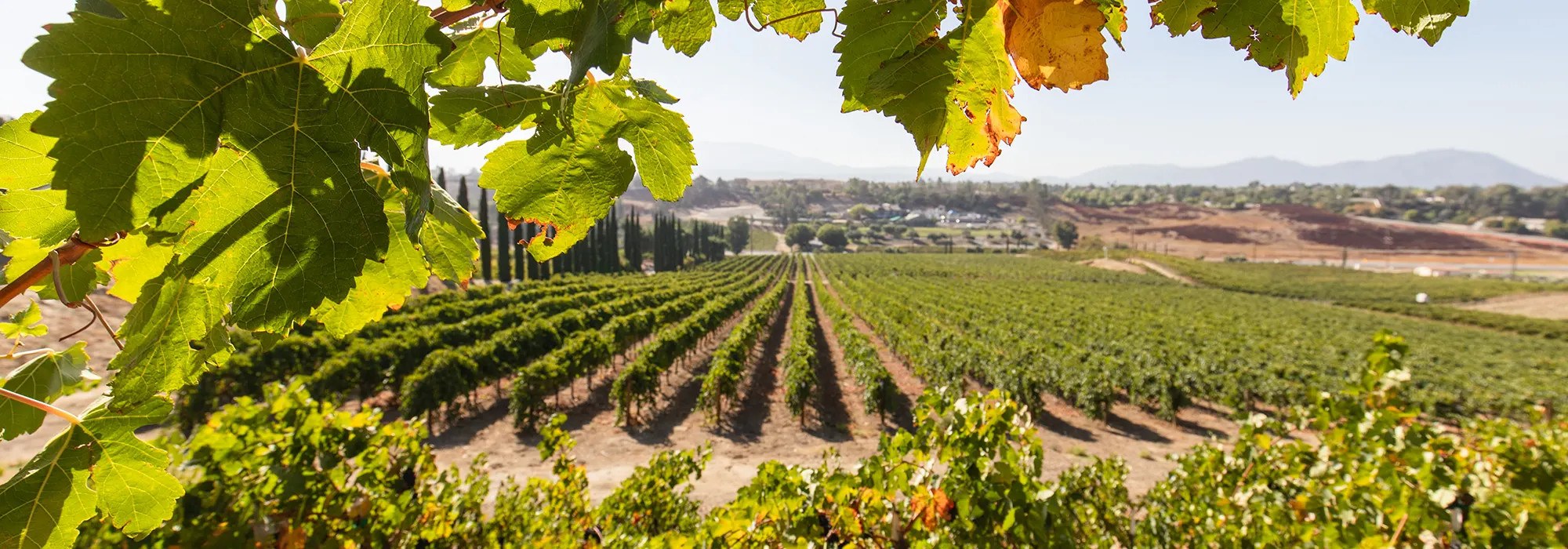
From approximately August through October, with some vineyards beginning earlier and some late-ripening fruit extending into October or even November, Temecula Valley’s vineyards become a hive of activity. Grapes are sampled repeatedly, tested for sugar and acidity, inspected for flavor, and ultimately picked — often at night or in the earliest morning hours.

For wine lovers, harvest is one of the most fascinating times to visit. This is when the region stops simply showing wine country and starts actively making the next vintage.

Temecula’s harvest season: earlier than many visitors expect

Warm Southern California climate means harvest starts with lighter, fresher wines and progresses toward fuller-bodied reds that need more time on the vine.

July–August

The early harvest

Some vineyards begin as early as July; August is when widespread activity often starts. Early fruit often includes Sauvignon Blanc, Pinot Grigio, Viognier, and other early whites — picked while bright acidity still shapes freshness and structure.

September

Harvest at full speed

Often the heart of the season. Crush pads stay busy, many harvest celebrations land now, and medium- and early-ripening reds arrive alongside later whites.

Late Sept–October

The big reds

Cabernet Sauvignon, Petite Sirah, Zinfandel, and other late reds often define this stretch. Weather, elevation, and style goals can push some blocks into October or later.

Important: There is no single universal “Temecula harvest date.” Each vineyard and varietal is picked for ripeness, weather, sugar, acidity, flavor, and style. For example, Ponte Winery has described targeting reds around roughly 22–25 Brix and whites around 21–23 Brix, often harvesting at night or early morning. Treat numbers as estate-specific — confirm with the winery.

Major destination wineries during harvest

Temecula mixes large destination properties with family-owned estates. During harvest that mix is the story: festivals and grape stomps on one hand, quiet vineyard work on the other.

Callaway Vineyard & Winery
Historic name

Callaway Vineyard & Winery

Callaway occupies an important place in modern Temecula wine-country history. During harvest, estates like Callaway represent the full cycle — vineyard management, crush, fermentation, aging, and the finished wine visitors taste the rest of the year. Grower listings across the valley show dozens of varieties ripening on staggered schedules, not a single “Cabernet week” or “Chardonnay week.”

View directory listing →
South Coast Winery
Major destination

South Coast Winery

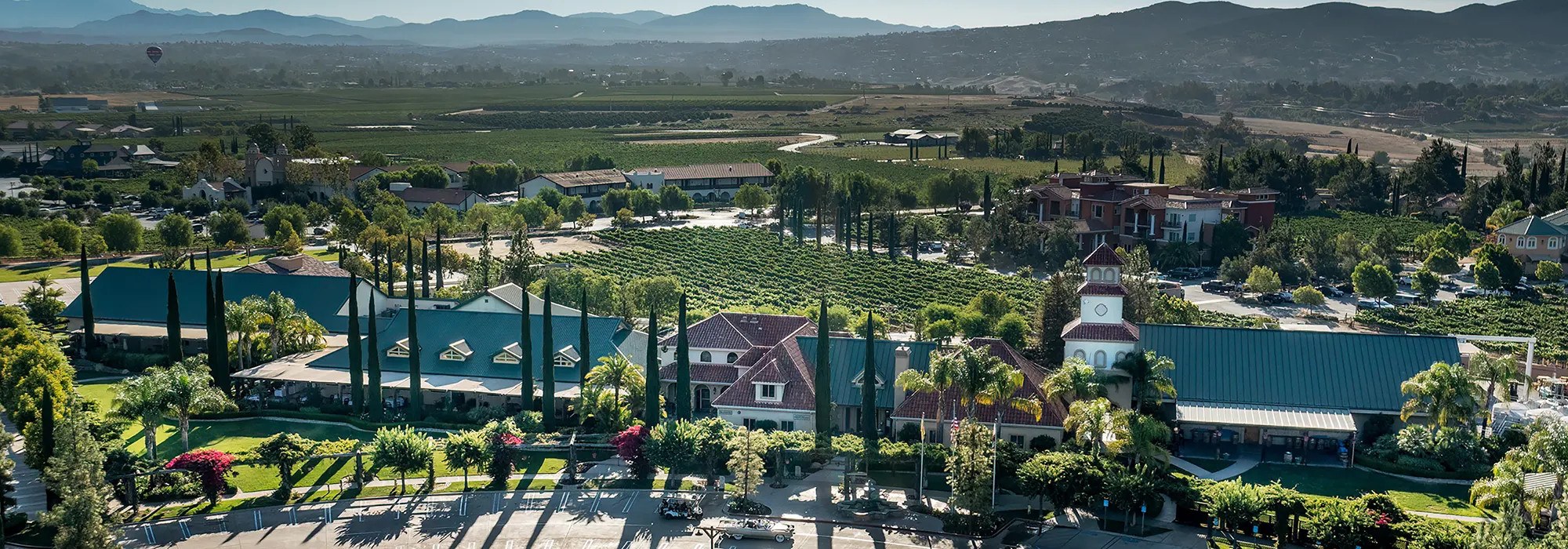
South Coast is one of Temecula’s largest and most recognizable destinations, combining vineyard production with winery, resort, restaurant, and spa energy. Its program spans a broad range of whites and reds — a reminder that Temecula is an active agricultural region, not only a tasting-room circuit.

View directory listing →
Ponte Winery
Diverse vineyard program

Ponte Winery

Ponte is especially interesting at harvest because of the range of grapes associated with its vineyards — from Italian and Rhône varieties to Bordeaux-leaning reds and crisp whites (Aglianico, Arneis, Barbera, Cabernet Franc, Cabernet Sauvignon, Chardonnay, Merlot, Montepulciano, Petit Verdot, Petite Sirah, Pinot Grigio, Sangiovese, Syrah, Tannat, Tempranillo, Vermentino, and more). Ponte’s grape stomp is one of the valley’s recognizable harvest traditions — confirm current event dates on their site.

View directory listing →
Wilson Creek Winery
Harvest meets celebration

Wilson Creek Winery

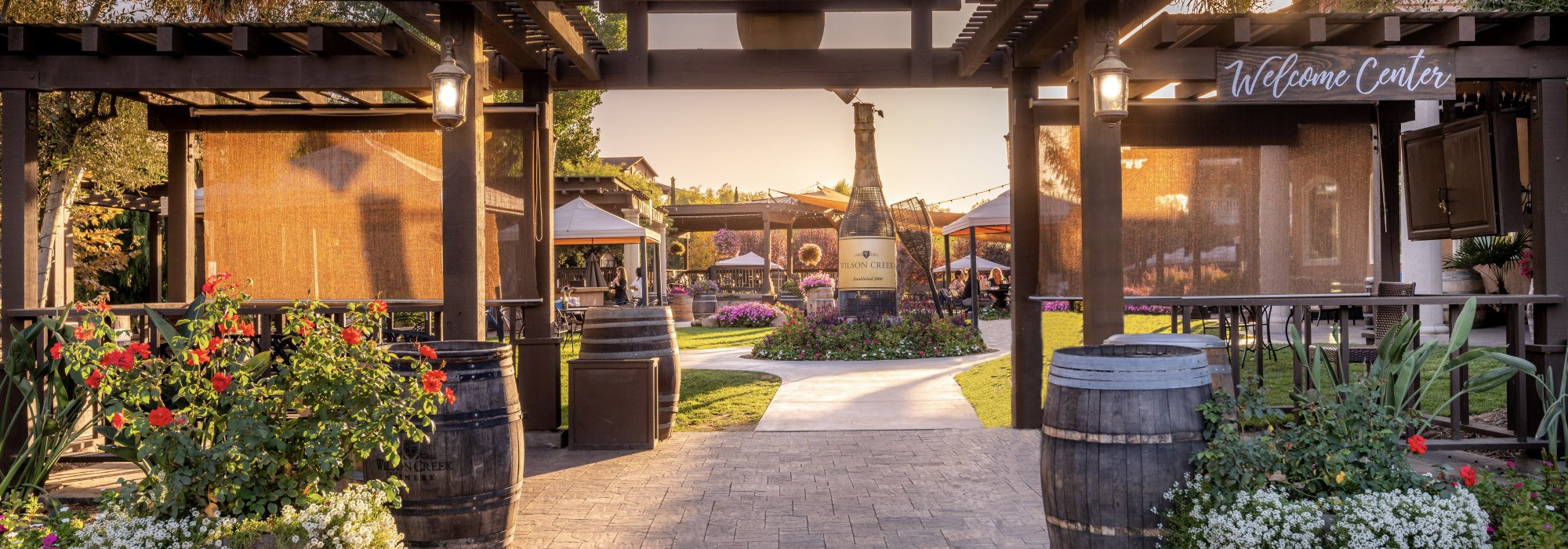
Wilson Creek brings a distinctly celebratory personality to the season: festivals, grape stomps, family gatherings, and communal energy. Behind the celebration is the same agricultural clock every producer watches — fruit must come in at the right moment.

View directory listing →
Thornton Winery
Sparkling & early fruit

Thornton Winery

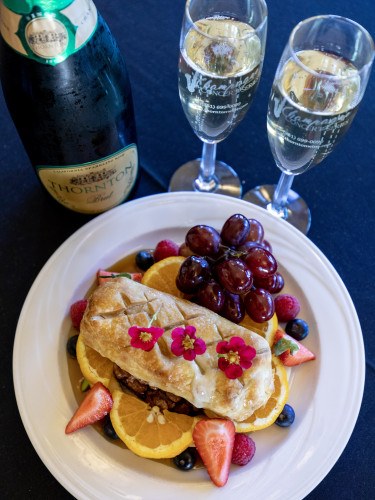
Thornton has long been associated with sparkling wine and is known as Temecula’s original Champagne-style house. Grapes for sparkling wine are often picked earlier than fruit destined for rich reds, because winemakers want freshness and acidity. That is harvest timing made visible in the glass.

View directory listing →

Boutique wineries: where harvest becomes personal

Smaller estates can offer the most intimate view of harvest — closer to the rows, closer to the people making block-by-block decisions, and closer to how one vintage differs from the next.

Danza del Sol Winery
De Portola · vineyard-centered

Danza del Sol Winery

On the De Portola corridor, Danza del Sol’s estate-vineyard focus suits visitors who want a vineyard-centered day. Recognition for styles such as Sauvignon Blanc, Gewürztraminer, and white blends reflects Temecula’s range beyond the usual California shortlist.

View listing →
Frangipani Estate Winery
Family-oriented boutique

Frangipani Estate Winery

Frangipani represents the family-oriented side of the valley along De Portola — a contrast to large destination properties. At smaller scale, harvest can feel more human: fewer anonymous cases, more visible craft.

View listing →
Palumbo Family Vineyards
Small-lot reds

Palumbo Family Vineyards

Palumbo is known for a small-lot, handcrafted approach and a strong red-wine reputation (including Sangiovese and Bordeaux-inspired blends). Late harvest is a natural time to appreciate that story as reds approach maturity.

View listing →
Chapin Family Vineyards
Relaxed · scenic

Chapin Family Vineyards

Chapin offers a relaxed, scenic family-owned experience. A versatile list (Cabernet Sauvignon, Cabernet Franc, Syrah, Zinfandel, Merlot, Chardonnay, Sauvignon Blanc, Viognier, Vermentino, Montepulciano, and more) means harvest stretches across weeks as each variety hits its window.

View listing →
Falkner Winery
Views · classic range

Falkner Winery

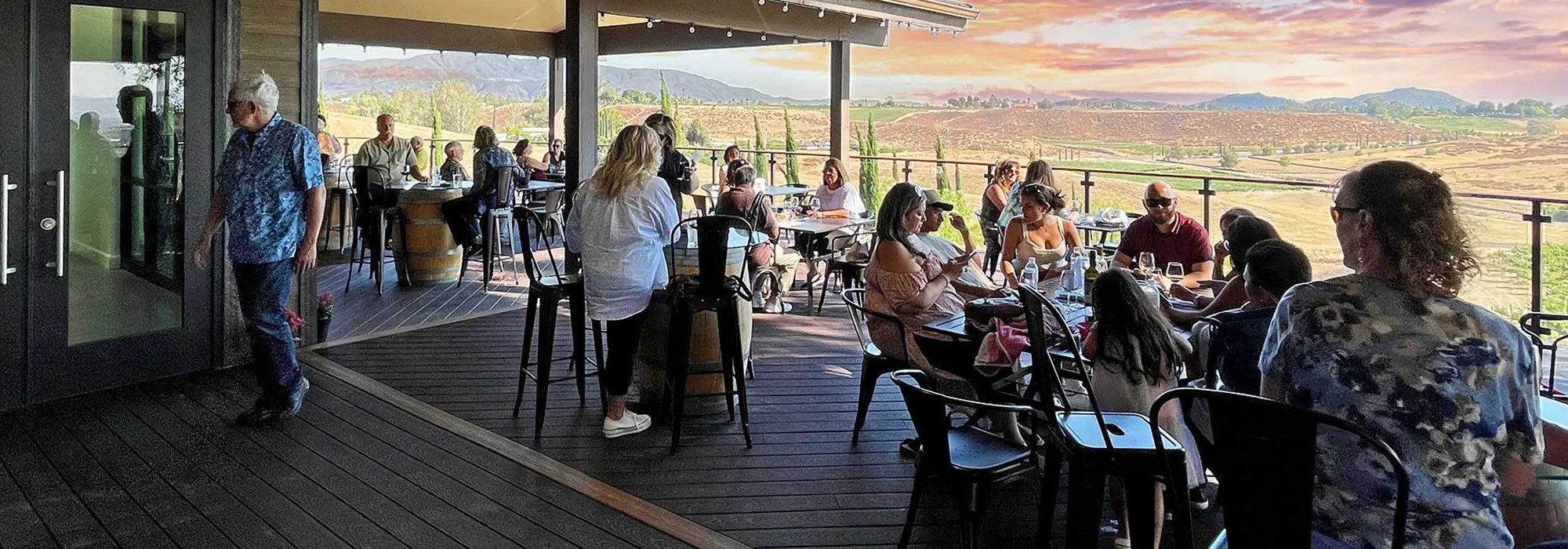
Falkner’s hillside setting and classic Temecula varietal range make it a natural stop when you want views with your harvest-season tasting. Pair with our Sip with a View guide when scenery is the priority.

View listing →

Lorenzi, Vindemia & quieter corners

Boutique red-focused and rural estates — including names such as Lorenzi and Vindemia — reward travelers who want agricultural scenery and a calmer pace than the busiest main-road patios. Use our map and directory to cluster De Portola and side-road stops without backtracking.

Temecula’s most interesting harvest varietals

The season is a succession of varieties — not one weekend of “everything at once.”

Early whites

Sauvignon Blanc

Freshness, acidity, citrus-driven character.

Pinot Grigio

Picked to keep bright acidity and crispness.

Viognier

Rhône aromatic style with floral and stone-fruit notes.

Muscat

From dry aromatic to sweeter or late-harvest expressions.

September’s expanding harvest

As the season progresses, vineyards may bring in Chardonnay, Merlot, Sangiovese, Barbera, Grenache, Tempranillo, Syrah, Cabernet Franc, Malbec, Montepulciano, and more. Exact order varies by block and vintage — which is why “what they’re picking this week” can change fast.

Late harvest reds

Cabernet Sauvignon

A cornerstone red for many Temecula programs.

Petite Sirah

Deep color, structure, and power when fully ripe.

Zinfandel

A California classic that can run late depending on style.

Tannat & firm reds

Often among the last to leave the vine.

Italian-leaning grapes (Sangiovese, Barbera, Montepulciano, and others) are a real part of Temecula’s identity — see our red varietals guide. Producers such as Robert Renzoni, Gershon Bachus, Akash, and others help tell that Mediterranean and modern-California story in the glass (check the directory for current listings).

A practical Temecula harvest calendar

Window What is often happening Visitor angle
July–early August Earliest whites; some sparkling fruit Quieter valley days; ask about early crush
Mid–late August Early harvest expands Book tastings; watch estate event pages
September Peak activity; many harvest events Grape stomps, Wine Month energy, busier roads
Late Sept–October Big reds; late blocks Beautiful light; still confirm hours and events
Into November* Latest fruit in some years Vintage-dependent — call ahead

*Select blocks only — vintage-dependent.

Why harvest is a great time to understand Temecula

During harvest, everything becomes concrete:

  • ·The vineyard is no longer only a photo backdrop
  • ·Grapes on the vine are about to become wine
  • ·Morning decisions — wait a day, pick overnight, take one block and leave another — shape the vintage

Visitors may encounter:

  • Vineyard crews working early
  • Fruit arriving at crush pads
  • The aroma of fermentation
  • Harvest bins and equipment in motion
  • Grape stomps and harvest celebrations
  • Winemaker and vineyard teams focused on the next vintage

September Wine Month and estate harvest events add another layer — always verify dates, tickets, and age policies on official winery sites before you drive out.

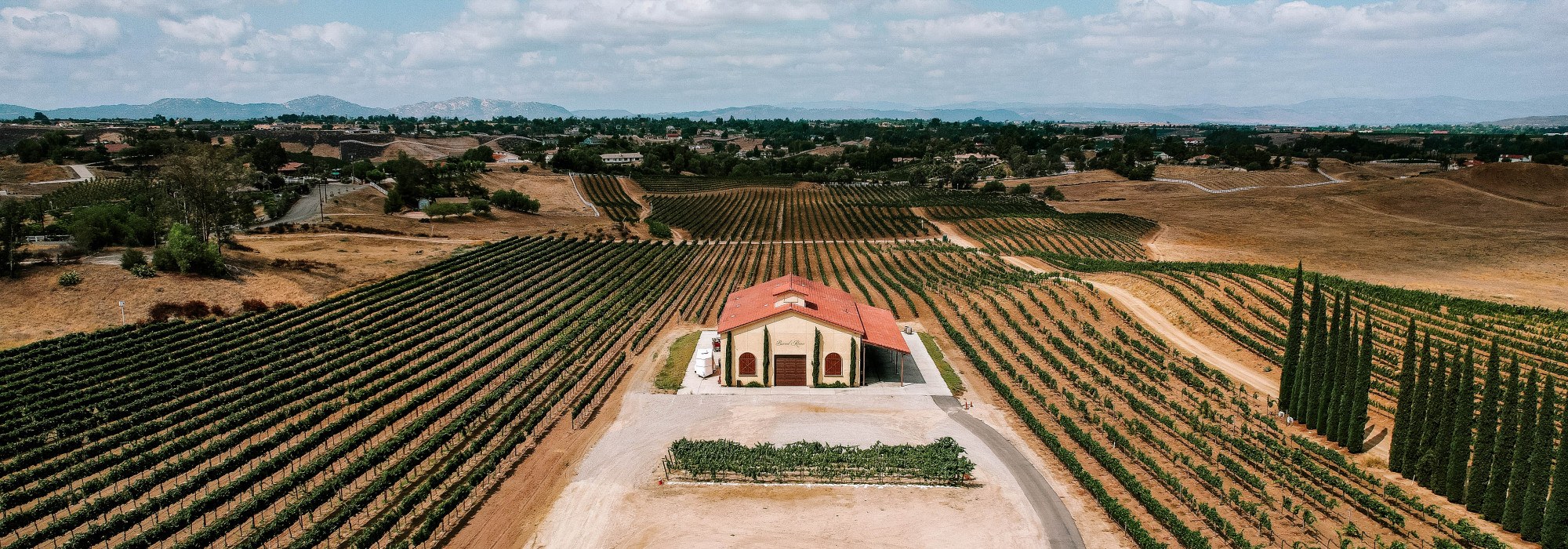
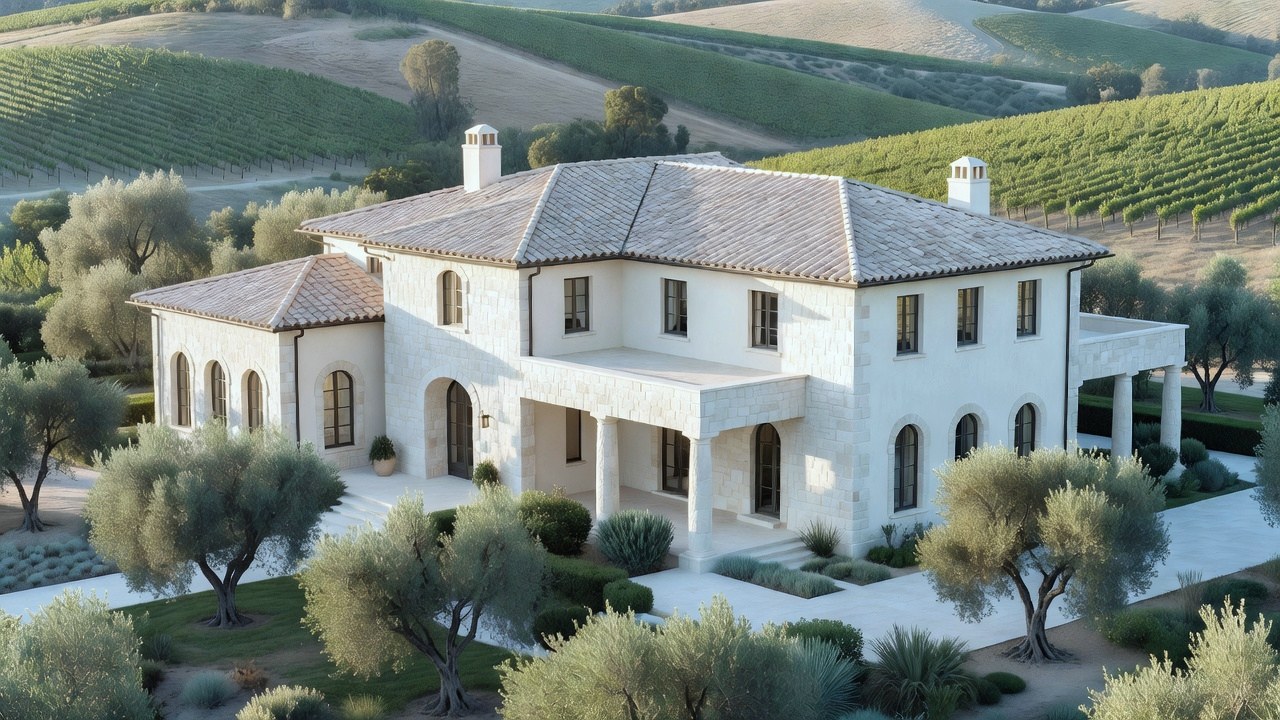
Temecula wine country estate landscape

Visitor tips (Bellie Acres practical notes)

Expect working agriculture

Harvest is beautiful and busy. Stay clear of crews, bins, and equipment unless you are on a hosted experience.

Book ahead

Seated tastings and popular stomps fill up — especially September weekends.

Cluster your stops

Use the map so you are not crossing the valley between every pour. Our free Wine Day Planner uses Day 1 / Day 2 corridor templates.

Designate a driver

Or rideshare — harvest events can stretch the day.

Ask what is coming in

Staff answers change with the fruit; that conversation is half the fun.

Heat and timing

Late-summer afternoons can be hot; early tastings and shaded patios help. See weekday vs weekend tasting.

How visitors should behave around harvest work

Harvest is still a working farm week. Stay out of vineyard rows unless an estate invites you onto a designated path. Do not block crush-pad driveways for photos. If bins, tractors, or night crews are moving, give them the road. A respectful visitor still gets the romance — just from the tasting patio, not from standing in the pick.

The heart of Temecula harvest

Harvest is more than stomps, tastings, and fall festivals. It is the annual culmination of a full year of work: pruning, budbreak, flowering, fruit set, veraison, summer heat, irrigation, vineyard management — and finally the pick.

From crisp Sauvignon Blanc and aromatic Viognier to Sangiovese, Tempranillo, Syrah, Cabernet Sauvignon, Petite Sirah, and Zinfandel, Temecula’s diversity means harvest unfolds over months rather than days.

And that may be the best reason to visit now.

During harvest, a glass of Temecula wine is no longer simply something you taste.
It is something you can see being born.

Independent travel guide from Bellie Acres Wine. We do not sell alcohol or take winery reservations. Confirm all harvest events, fees, and policies with each estate. Drink responsibly.