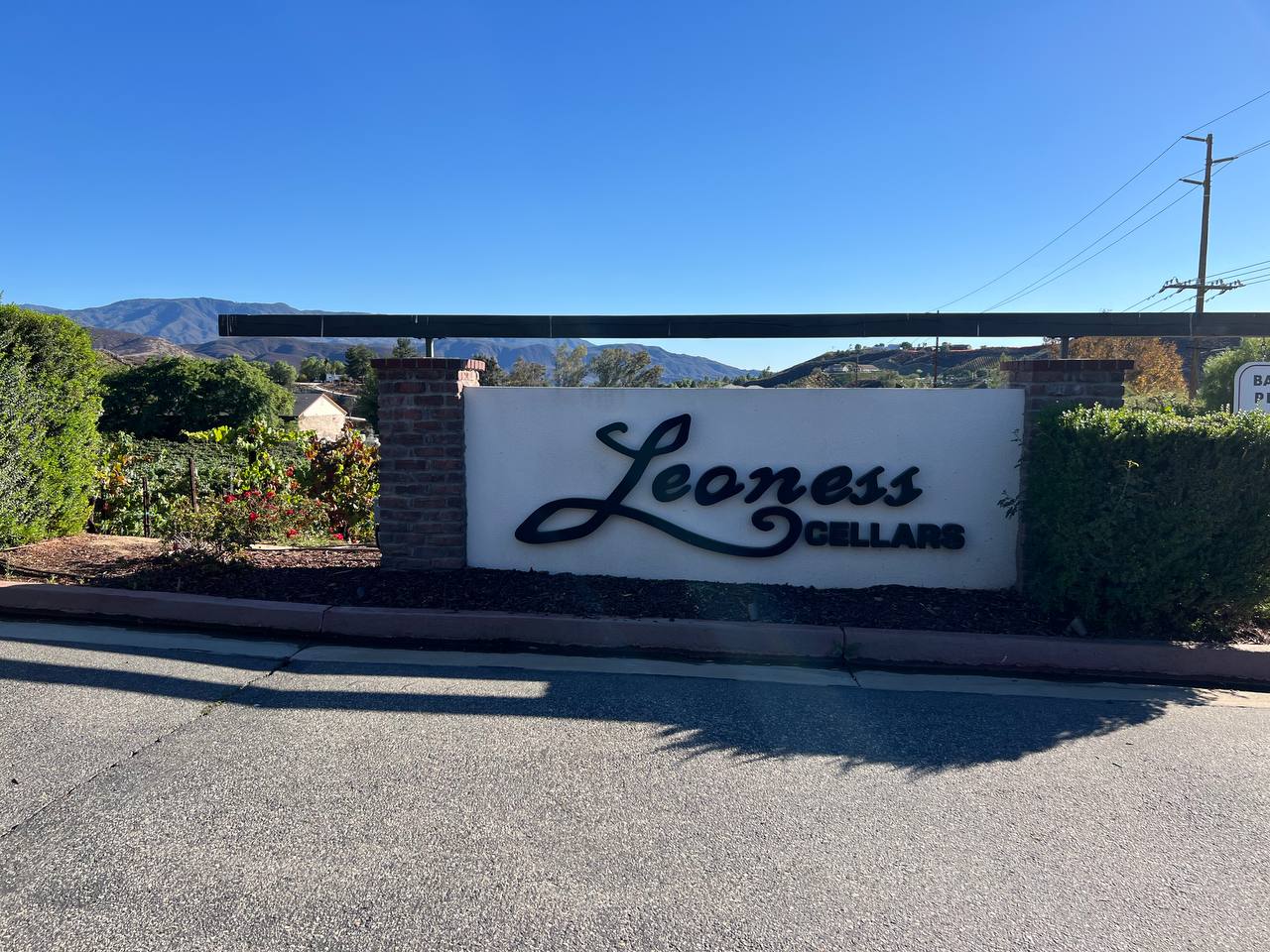
Where Temecula’s Farming Heritage Meets the Art of Fine Wine
There is a particular beauty to a winery perched above its own vineyards. From an elevated terrace, the rows of vines become patterns across the landscape, the surrounding hills form a distant horizon, and the afternoon seems to unfold at a gentler pace. At Leoness Cellars, this sense of place is inseparable from the story of the winery itself—a story rooted in decades of Southern California agriculture and shaped by a commitment to estate-grown wines, thoughtful hospitality, and the pleasures of lingering over a meal.
Situated along De Portola Road in Temecula Valley Wine Country, Leoness Cellars combines sweeping vineyard views with an established tasting room, guided vineyard experiences, outdoor dining, and a restaurant that gives visitors another reason to stay awhile. It is a destination where the vineyard is not merely scenery beyond the glass, but part of the story behind what is poured.
A Legacy That Began in the Fields
The Leoness story begins well before the winery opened its doors.
Co-founder Gary Winder began farming in Southern California in 1972, establishing a foundation in agricultural management through citrus and avocado farming. In 1989, he joined forces with fellow co-founder Mike Rennie as their work expanded into vineyard operations. Their knowledge of farming, land management, and grape growing helped establish a foundation for what would eventually become Leoness Cellars.
During the early 1990s, their vineyard operations supplied grapes to wineries in Temecula and other California wine regions. In 1996, Winder and Rennie purchased a 20-acre property known as Rolling Hills Vineyard and planted Cabernet Sauvignon, establishing the estate vineyard that would become central to Leoness.
Leoness Cellars was founded in 2003, with its first tasting room housed in a converted tractor pole barn. A new hilltop tasting room opened in 2006, placing the visitor experience above the vineyard landscape.
The progression from agricultural operation to winery destination reflects an important part of Temecula Valley’s development. Wine country did not emerge from scenery alone. It was built through the work of growers who learned the land, experimented with grape varieties, and developed the agricultural expertise needed to support a lasting wine industry.
Leoness carries that farming heritage into its present-day identity.
A Hilltop Perspective on Wine Country
The approach to Leoness Cellars reveals the character of the property gradually. Vineyard rows spread across the rolling terrain, while the tasting room occupies an elevated position that opens the landscape to view.
From the outdoor seating areas, the vineyards provide a changing backdrop throughout the day. Morning light brings definition to the rows and contours of the hills. As the afternoon progresses, the colors of the landscape soften, and the vineyard becomes a natural focal point for conversation and contemplation.
The setting lends itself to more than a quick stop for tasting. Guests can arrange a guided experience, settle into an outdoor dining space, or combine wine with a leisurely meal. The property offers several ways to experience the estate, allowing the visit to be shaped around personal interests rather than a single prescribed itinerary.
For visitors who appreciate architecture and landscape as part of a wine-country outing, Leoness offers a combination of cultivated grounds, vineyard views, and hospitality spaces designed to keep the scenery in sight.
From Vineyard to Glass
Leoness Cellars places particular emphasis on estate-grown fruit. Its winemaking program uses grapes grown through its own vineyard operations, giving the winery close involvement in decisions about grape selection, vineyard management, and the characteristics of the fruit entering the cellar.
That connection between farming and winemaking matters. A wine’s character begins long before harvest, shaped by variety, site, soil, growing conditions, and the care taken throughout the season. Decisions made in the vineyard influence the balance, structure, and aromatic qualities that later emerge in the finished wine.
Cabernet Sauvignon has a particularly important place in the Leoness story, beginning with the original Rolling Hills Vineyard. The winery’s broader portfolio has included Cabernet Franc, Merlot, Syrah, Viognier, Zinfandel, Grenache, and other varieties, alongside blends and specialty releases. The selection evolves with vintages and availability, making the current tasting list the best guide to what guests can explore during a visit.
The range offers opportunities to move between different expressions of California wine. Cabernet Sauvignon can bring depth, dark fruit, and firm structure; Merlot often offers a rounder texture and softer fruit character; Syrah may reveal layers of dark berries, spice, and savory notes. White varieties such as Viognier bring a different dimension, with their aromatic character and expressive fruit.
Rather than treating tasting as a checklist, visitors can approach each pour as a chance to notice how grape variety, growing conditions, and winemaking decisions influence the wine in the glass.
A Guided Journey Behind the Bottle
For guests interested in the craft as well as the finished product, Leoness offers guided vineyard tours and educational experiences that explore the estate, production spaces, and winemaking process.
A vineyard visit can change the way a wine is understood. Seeing the vines brings attention to the agricultural work behind each vintage, while a look into production and barrel-aging areas reveals another stage of the journey from grape to bottle.
These experiences also provide context for the wines being tasted. The decisions involved in selecting varieties, managing vineyard blocks, fermenting fruit, and aging wine all contribute to a finished wine’s identity. Learning about those choices can make a tasting more rewarding, particularly for visitors who enjoy exploring the details behind a particular style.
Some experiences include curated tastings and food pairings, with advance reservations required for selected tours and private experiences. Availability and offerings vary, so planning ahead is advisable for guests who want to explore beyond a standard tasting.
Dining Among the Vines
Wine and food have a natural affinity, but a vineyard setting can make that relationship feel especially immediate. At Leoness, dining is an important part of the estate experience, with the Restaurant at Leoness Cellars offering a seasonal, farm-driven approach to modern California cuisine.
The menu changes with ingredients and availability, allowing the kitchen to work with seasonal produce and a range of proteins and accompaniments. Wine pairing provides an additional dimension, bringing the flavors and structure of a particular bottle into conversation with the food.
A dish with rich, savory flavors may call for a wine with sufficient body and structure, while a brighter preparation can pair beautifully with a fresher, more aromatic selection. The pleasure lies in discovering how each element affects the other: how a sip can change the impression of a dish, or how a meal can reveal something new in a wine.
Indoor dining offers a more sheltered restaurant atmosphere, while terrace seating places the meal directly within the vineyard landscape. The outdoor setting is particularly appealing for guests who want scenery to remain part of the experience from the first course to the last glass.
The restaurant currently operates on a limited weekly schedule, and reservations are recommended. Guests should consult the official website for current service hours, menus, and seating arrangements before planning a meal.
The Terrace: An Invitation to Stay
Some wine-country experiences are defined by movement—one tasting room followed by another, a succession of stops along the winding roads. Leoness offers another possibility: choosing a setting and allowing the afternoon to unfold there.
The estate’s terrace areas provide space to enjoy wine and food while looking across the vineyards. Outdoor seating makes the surrounding landscape part of the visit, whether the occasion is a casual glass of wine, a meal with friends, or a longer afternoon organized around a tasting and lunch.
Access to particular terrace areas and food-service options can depend on the day and membership arrangements. The winery’s current visitor information should be checked when selecting a specific seating experience.
Seasonal events, live music, wine dinners, and other gatherings add variety to the estate calendar. These occasions bring together the winery’s different elements—wine, food, entertainment, and landscape—while giving returning visitors new reasons to experience the property.
A Place for Celebrations and Shared Experiences
Leoness Cellars also serves as a setting for weddings, private events, and special gatherings. The combination of vineyard scenery, hospitality facilities, and food service makes the estate suitable for occasions in which the surroundings are part of the celebration.
The vineyard landscape offers a sense of openness, while the tasting room and restaurant provide more defined spaces for gathering. For visitors planning an event, the appeal is the opportunity to bring wine, dining, and scenery together in one location.
Even for those simply spending an afternoon at the winery, the property’s event-oriented atmosphere reinforces the idea that wine is often best appreciated in company. A bottle may be the focus of the table, but the occasion becomes memorable through the people, the conversation, and the setting around it.
The Continuing Story of Temecula Wine Country
Leoness Cellars is part of a broader story about the transformation of Temecula Valley from an agricultural region into a destination known for wine, dining, and vineyard experiences. Its history connects farming operations that began in the 1970s with a winery founded in the early 2000s, demonstrating how agricultural knowledge can provide the foundation for a hospitality destination.
The vineyard remains central to that identity. It shapes the view from the terrace, informs the wines in the glass, and connects the guest experience to the people who tend the land.
For visitors, Leoness offers several ways to engage with that story: through a guided tasting, an educational vineyard tour, a meal overlooking the vines, or an afternoon spent enjoying the estate at a slower pace.
The experience ultimately returns to the landscape itself. Wine begins with the land, but its enjoyment extends well beyond the harvest. At Leoness Cellars, the vineyard becomes a place to learn, gather, dine, celebrate, and appreciate the care behind a bottle of wine.
The Bellie Acres Perspective
Leoness Cellars brings together the two sides of Temecula wine country: the practical heritage of farming and the art of hospitality. Its elevated vineyard setting, estate-focused wines, guided experiences, and seasonal dining create a destination worth exploring beyond the tasting glass. The lasting impression is one of continuity—a working agricultural landscape transformed into a place where the fruits of the vineyard can be enjoyed slowly, thoughtfully, and in good company.