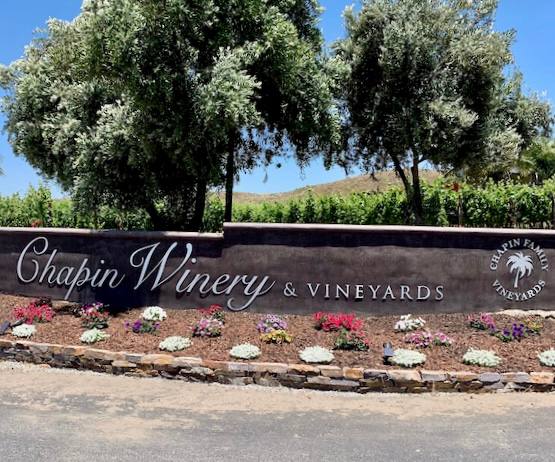
Family, Vines, and the View from the Veranda
Some wineries announce themselves through scale or spectacle. Chapin Family Vineyards tells its story through a more personal combination: a family-owned operation, small-batch wines, and a veranda overlooking the rolling landscape of Temecula wine country. The setting encourages visitors to look outward across the vines and hills, while the family identity brings the experience back to the people responsible for the wine.
The Chapin family’s vineyard story began with planting in 2003, followed by the establishment of the winery in 2006. Over time, the property developed into a small-production destination rooted in the family’s work with the land. The name is more than a label; it reflects a connection between the people behind the wines and the vineyard that supplies them.
A Vineyard with a Family Identity
Family ownership can give a winery a different sense of scale. Rather than presenting wine as one element of a large hospitality complex, a family vineyard often places the growing and making of wine at the center of the experience. Chapin Family Vineyards belongs to that tradition. The property is associated with small-batch production and a direct relationship between its estate-grown grapes and the wines offered to visitors.
The winery has stated that, since 2012, grapes harvested on the property have been used for Chapin wine production. That commitment strengthens the connection between vineyard and glass: the landscape visitors see is not merely scenic context but part of the agricultural story behind the wines.
Temecula’s varied terrain and warm growing season provide the setting for that work. Rows of vines, changing light, and the surrounding hills establish a landscape that shifts subtly with the seasons. The vineyard is a working place, but it also offers the visual calm that draws people to wine country in the first place.
The Veranda Experience
One of Chapin’s defining features is its veranda, where table-side service and vineyard views make the landscape part of the tasting. Rather than treating the view as something to glance at between pours, the outdoor setting invites visitors to settle in and let the scenery accompany the wines.
The veranda creates a natural transition between the tasting and the countryside. A glass can be considered slowly, conversation can continue without the feeling of being hurried along, and the hills become part of the memory of the visit. It is an experience that depends less on elaborate attractions than on the relationship between place and pace.
The winery’s small-production identity also makes the tasting an opportunity to explore the character of the wines without losing sight of the people and land behind them. For visitors interested in how an individual family shapes a wine program, that connection is part of the appeal.
A Smaller-Scale Side of Temecula
Chapin Family Vineyards adds a different rhythm to a Temecula itinerary. It offers an alternative to destinations organized around extensive dining facilities, large event programs, or multiple entertainment spaces. Here, the focus returns to the vineyard, the wine, and the setting in which the two meet.
That does not mean the experience is limited to the glass. The veranda and surrounding views are important parts of the visit, providing a place to pause between tastings and appreciate the region’s open landscape. The appeal is the combination of a family story, a working vineyard, and hospitality that allows the setting to remain central.
For travelers building a day around Temecula’s different wine-country personalities, Chapin provides an opportunity to experience the region on a more intimate scale. It is a reminder that the valley’s identity has been shaped by individual growers and families as much as by its most visible destinations.
Visitors should check the winery’s current website before setting out for the latest tasting hours, wine selections, and service arrangements, as these can change seasonally.
The Bellie Acres Perspective
Chapin Family Vineyards brings the focus back to the essentials of wine country: family, vineyard, and a table with a view. Its veranda-centered experience makes the landscape part of the tasting, while its small-production identity offers a more personal window into Temecula’s winemaking community.